Meet Lisa
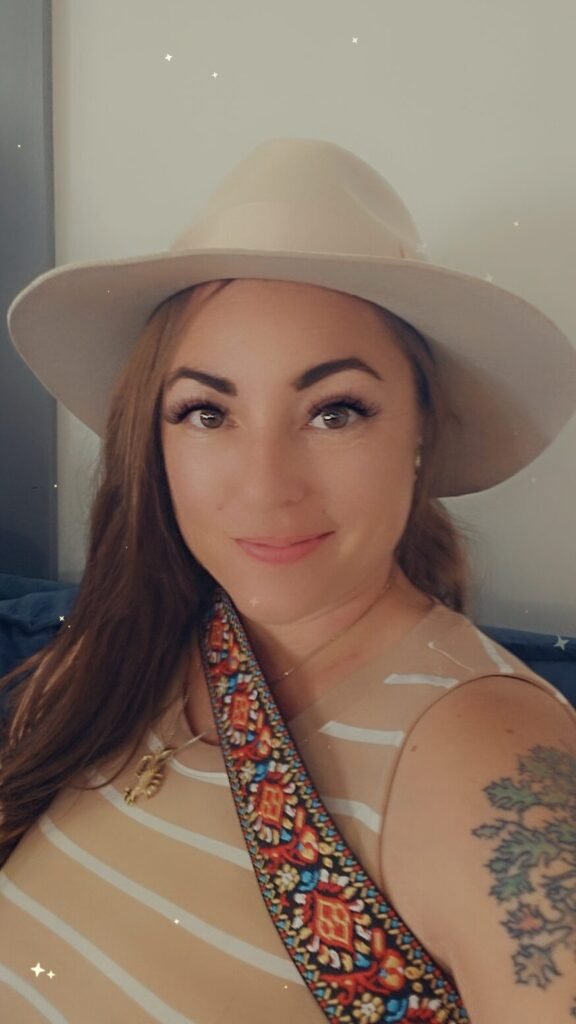
Geospatial Analyst by day, wire weaver by night. I studied field biology and GIS at Western Illinois University. Studying this rock we live on is what I’ve done my whole adult life. Animals, plants, minerals you name it I’ve memorized it.
For over 10 years I have made a career in the Geospatial field making maps for pilots and other users. Recently I’ve secured a spot at the NGA in St. Louis. Since Covid I have worked from home. This new chapter of in-office work will be quite the lifestyle change. With that said, I will be taking a step back from vendor shows and the like. However, I will still be creating and selling here and on other social media platforms. Wrapping is a hobby, geography is a passion.
Creating is something I’ve also done my whole life. I learned how to wrap stones while on vacation three years ago. Since then, enhancing stones with wire has been such a fun learning curve. Each stone is unique and guides you while weaving and wrapping. Some stones only ask for a simple elegant wrap, others demand robust flourish and embellishment. That is what I love about this art form.
You may think you know how the piece will turn out, but by the end you are left with something completely different and stunning. Join me while I let the stones speak for themselves.
What is wire wrapping?
You can wrap virtually anything you want. I’ve wrapped cabochons, shells, fossils, arrowheads, crystals and even a vintage AVON Pansy broche.
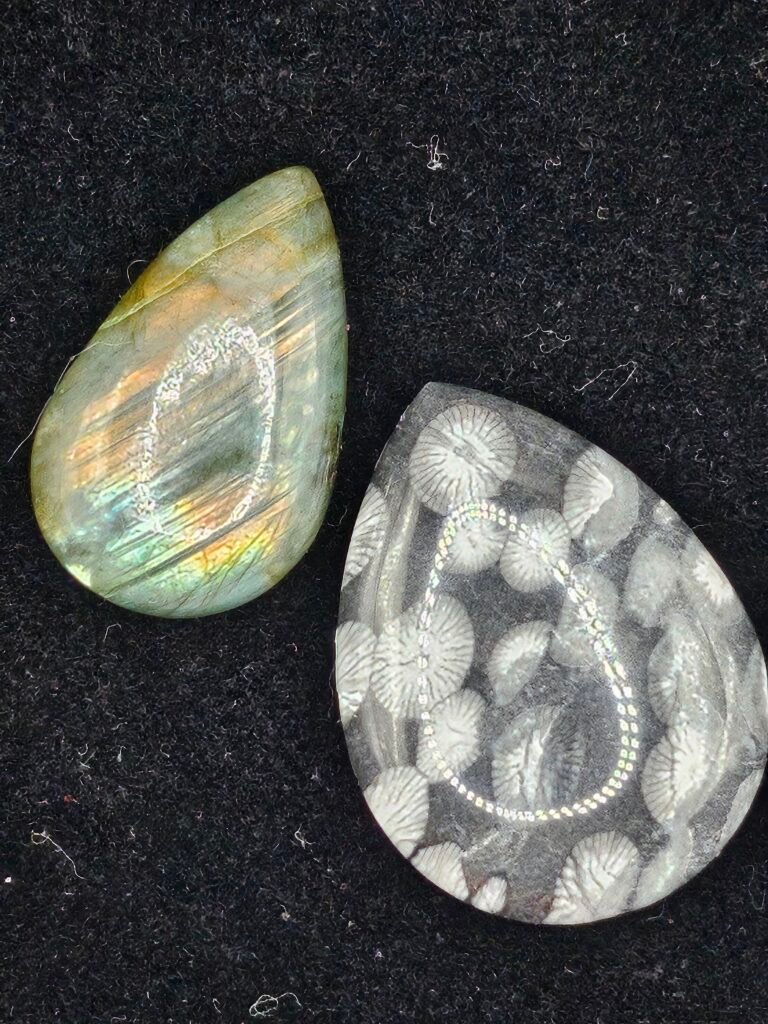
Cabochons are the most common item I wrap. Cabochons are polished stones with out facets. Rough stones are sliced, trimmed and polished using a series of grit wheels. This particular art is called lapidary.
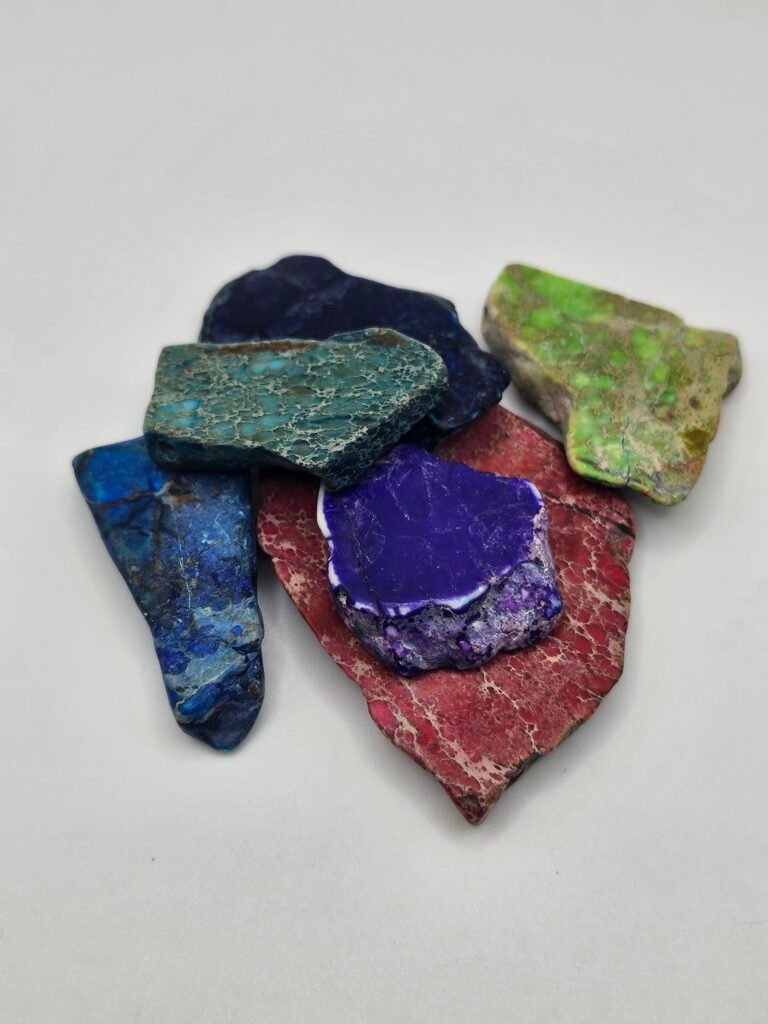
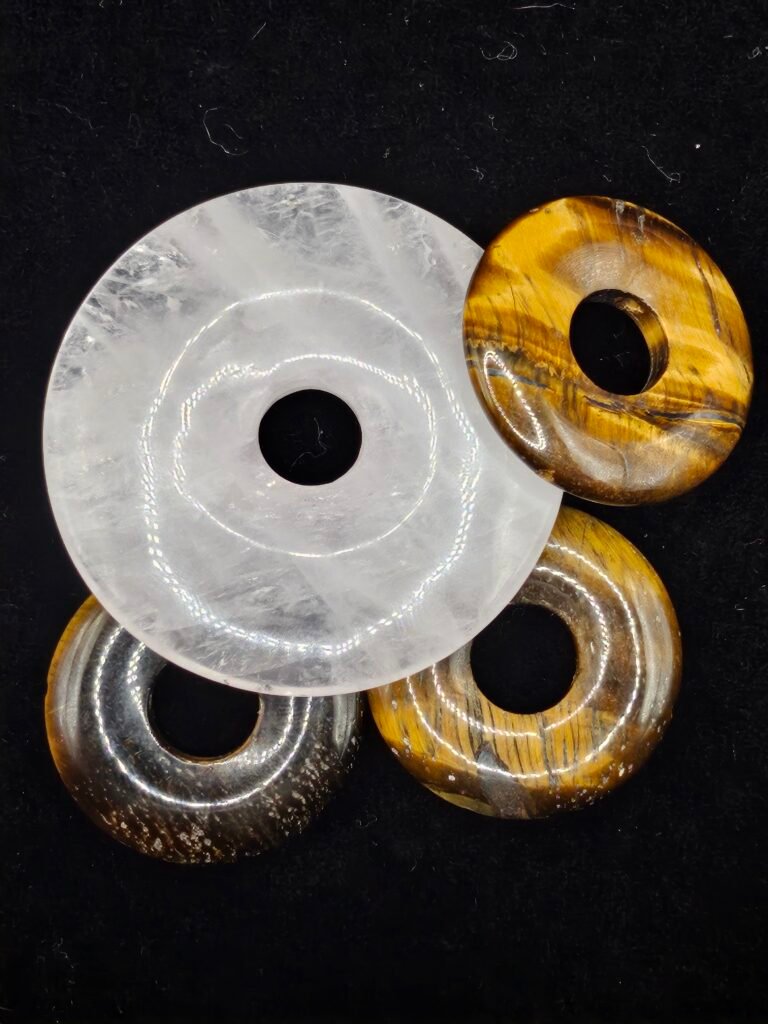
Some popular stones used in lapidary are quartz, jasper, agate, tigers eye, labradorite, obsidian, and turquoise.